
Oralhealth.info logo

Oralhealth.info

Loading translator...
Back to Oral Health

Oral Health for Adults

Adults smiling and showing healthy teeth

Key Takeaways

  • Consistent daily care is the foundation of good oral health.
  • Proper brushing and cleaning between teeth prevents most common issues.
  • Diet and lifestyle choices like smoking and alcohol have a direct impact on your teeth and gums.
  • Regular professional check-ups are crucial for early detection and prevention.

Always discuss with your dentist or doctor what's best for you.

Maintaining good oral health can add many years to your lifespan!

Daily Care

Toothpaste

Toothpaste

  • Use fluoride toothpaste.
  • Be cautious with whitening toothpastes, as some can be abrasive. Consult your dentist to ensure it’s safe for your needs.

Your dentist can provide personalized advice on the best toothpaste for you. Options include:

  • High fluoride toothpaste (prescription only)
  • Desensitising toothpaste for sensitivity relief
  • Enamel repair toothpastes
  • SLS-free, gum care, or non-foaming toothpastes

Interdental Cleaning

Interdental Cleaning

  • Clean between your teeth at least once a day.
  • Ask your dentist or hygienist for a demonstration on how to floss or use interdental brushes safely.

Mouthwash

Mouthwash

  • For added benefit, use mouthwash at a different time than brushing.
  • Chlorhexidine Mouthrinses: Reduce harmful bacteria and prevent gum disease. Use as directed by a dentist, as prolonged use may cause staining.
  • Fluoride Mouthrinses: Strengthen enamel and are useful for those at higher risk of tooth decay.

Sugar-Free Chewing Gum

Sugar-Free Chewing Gum

  • Chew sugar-free gum at a different time than brushing to help neutralize acids.
Daily Brushing Routine

Brush 2 times a day for 2 minutes

Once at night and any other time of the day.

2×2 min
Spit the toothpaste after brushing. Don't rinse.
Avoid eating or drinking anything except water for 15-20 min after brushing.

🦷✨ Brushing Technique

Use an electric or manual brush at a 45-degree angle to the gum line, using small, circular motions. Avoid a harsh scrubbing motion.

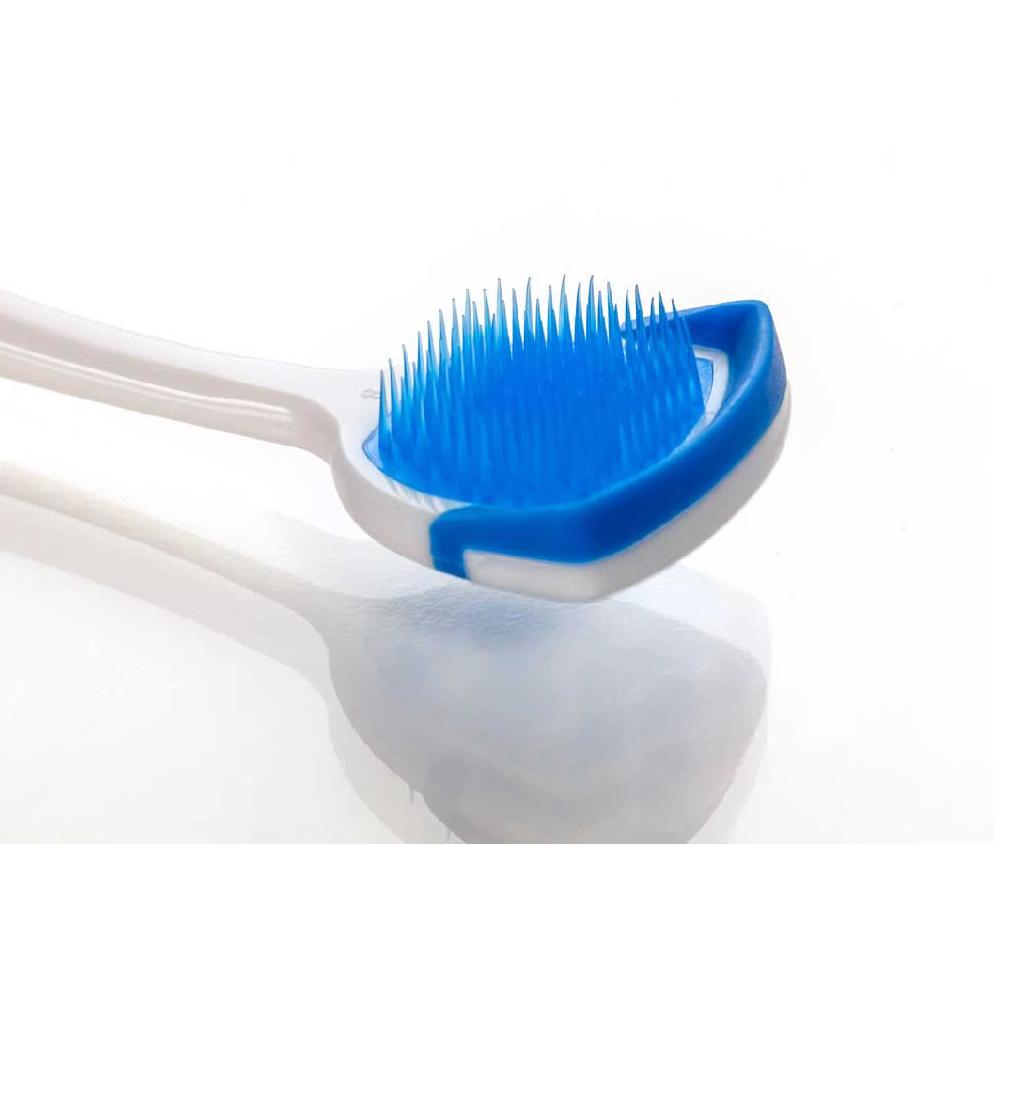
Tongue Cleaning is Important

Clean your tongue when you brush your teeth.

🦷✨ Interesting Fact

Did you know 2/3 of germs in your mouth live on the tongue?

Dietary Considerations

A variety of healthy dental diet foods
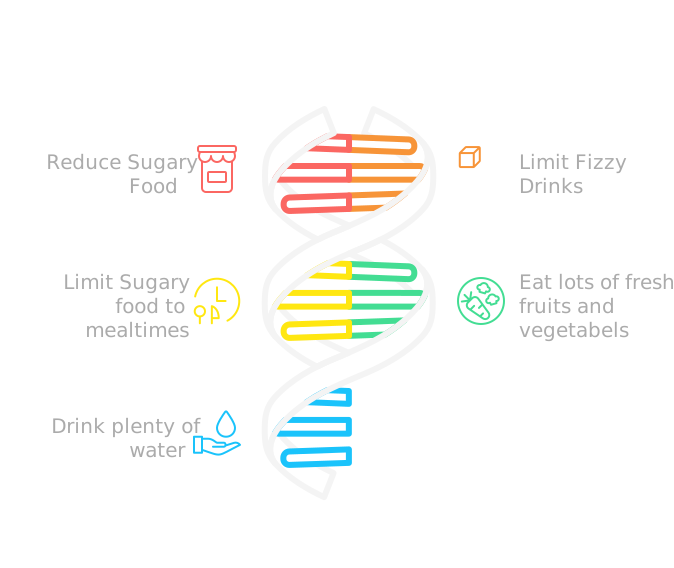
Reduce amount and frequency of sugary foods

Reduce amount and frequency of sugary foods

Limit fizzy drinks

Limit fizzy drinks

Limit sugary foods and fizzy drinks to mealtimes

Limit sugary foods and fizzy drinks to mealtimes

Eat a balanced diet with lots of fresh fruits and vegetables

Eat a balanced diet with lots of fresh fruits and vegetables

Drink plenty of water

Drink plenty of water

Acidic Foods

  • Acidic foods and drinks (citrus, sodas, wine) can erode tooth enamel over time.
  • Watch for signs of enamel erosion, like sensitivity or yellowing teeth, and consult your dentist if you notice these issues.

Tips to Minimise Impact

  • Use a straw for acidic beverages like soda or fruit juices.
  • Wait at least 30 minutes after eating acidic foods before brushing.
  • Pair acidic foods with non-acidic ones (e.g., cheese, nuts) to balance pH levels.
  • Chewing sugar-free gum stimulates saliva, which helps neutralise acids.

Lifestyle Factors: Smoking

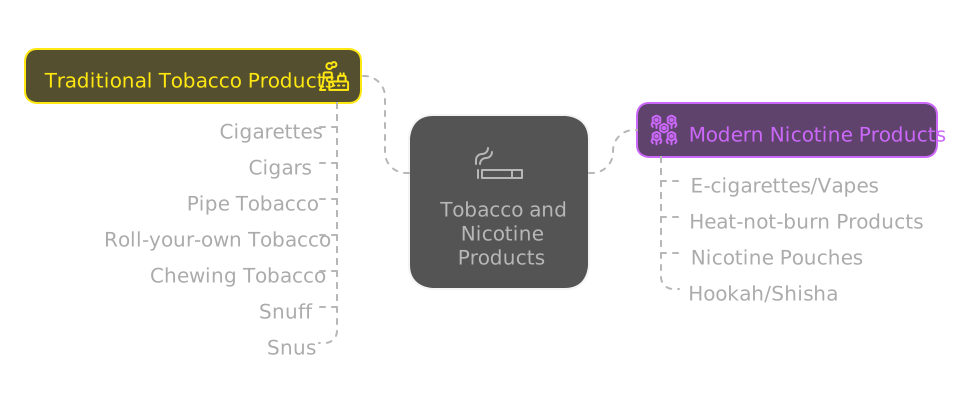
No form of tobacco or nicotine is safe to use.

A variety of tobacco products

Smokers have a 10x higher risk of Mouth Cancer than non-smokers.

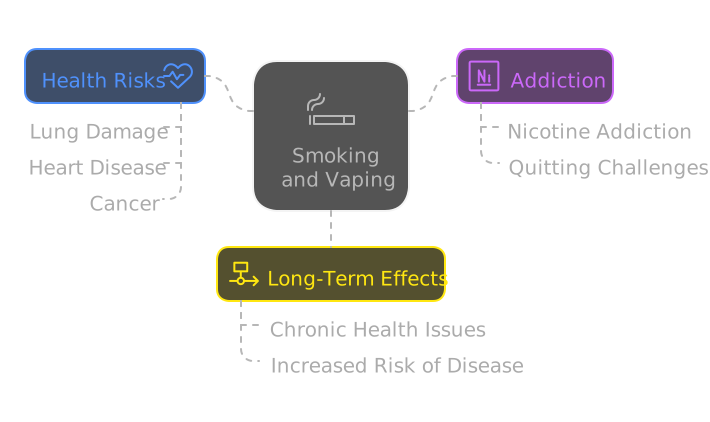
Illustration showing risks of smoking
Mouth cancer

Mouth cancer

Smokers are 6-10 times more likely to develop mouth cancers than non-smokers.

Bad breath

Bad breath

Smoking causes persistent bad breath that is difficult to eliminate.

Stained/Yellow teeth

Stained/Yellow teeth

Smoke quickly turns teeth yellow or brown.

Reduced sense of taste

Reduced sense of taste

Smoking can dull your ability to taste food properly.

Dry mouth

Dry mouth

Smoking reduces saliva, increasing the risk of tooth decay, gum disease, and plaque buildup.

Slow healing

Slow healing

Your mouth takes longer to heal after dental procedures if you smoke.

Painful dry socket

Painful dry socket

Smokers have a higher risk of developing a painful dry socket after a tooth extraction.

Implant problems

Implant problems

Dental implants are more likely to fail in smokers compared to non-smokers.

Weakened immune system

Weakened immune system

Smoking impairs the body's ability to fight off gum infections.

Gum diseases

Gum diseases

Smokers are twice as likely to develop gum disease. The risk increases with the duration and intensity of smoking.

🦷✨ Remember

  1. No matter the flavor or appearance, all tobacco and nicotine products are harmful.
  2. Pleasant flavors and smooth sensations do not make them safer.
  3. These are marketing tactics designed to get you addicted.
  4. It's crucial to look past the attractive packaging and remember the serious health risks.

Alcohol and Your Teeth

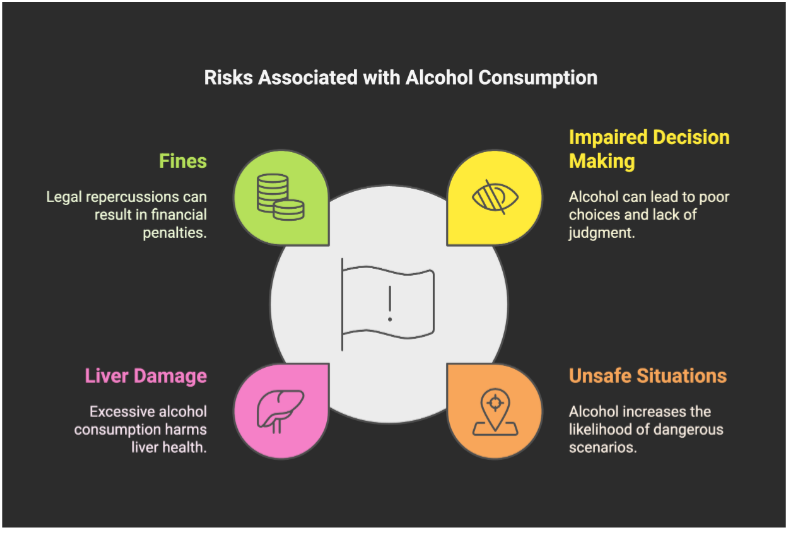
Illustration of alcohol risks
Reduced Saliva (Dry Mouth)

Reduced Saliva (Dry Mouth)

Alcohol decreases saliva, leading to dry mouth, bad breath, and a higher risk of tooth decay and gum disease.

Staining and Discoloration

Staining and Discoloration

Frequent consumption, especially of dark drinks like red wine, can stain or discolor your teeth.

Tooth Erosion

Tooth Erosion

The acidic content of many alcoholic drinks can erode and thin your tooth enamel.

Increased Risk of Injury

Increased Risk of Injury

Drinking increases the risk of accidents and trauma that can lead to chipped, broken, or lost teeth.

Mouth Cancer Risk

Mouth Cancer Risk

Alcohol is the second most common risk factor for developing mouth cancer.

Increased Bleeding Risk

Increased Bleeding Risk

Alcohol can affect liver function and blood clotting, increasing bleeding risk during dental procedures.

Anesthesia Complications

Anesthesia Complications

Alcohol abuse can alter the body's response to anesthesia, complicating dental treatments.

Delayed Healing

Delayed Healing

Heavy drinking can compromise immune function, slowing healing and increasing infection risk after dental work.

Medication Interactions

Medication Interactions

Alcohol can interfere with the effectiveness and safety of medications prescribed by your dentist.

Higher Chance of Oral Thrush

Higher Chance of Oral Thrush

Alcohol can disrupt the natural balance of bacteria in your mouth, leading to fungal infections like oral thrush.

Changes in Taste

Changes in Taste

Long-term alcohol use can affect your taste buds and the composition of your saliva, altering how food tastes.

Need Help?

If alcohol is affecting your life or health, local addiction support services can help you reduce your intake or stop drinking.

Support services often include:

  • Support to help you stop drinking
  • Rehabilitation programs
  • Counselling and cognitive behavioural therapy (CBT)
  • Group therapy sessions
  • Self-help resources

Professional Care

Dental Visits

Dental Visits

Visit your dentist every 6 months for routine check-ups to prevent tooth decay and gum disease. Regular visits help detect potential problems early and maintain good oral health.

Hygiene Visits

Hygiene Visits

See a dental hygienist every 6 months for professional cleaning to remove plaque and tartar, which helps prevent oral diseases. Hygienists also provide personalised advice on improving your oral hygiene routine.

Mouth Cancer Screening

Mouth Cancer Screening

Adults over 20 should have oral cancer screenings every three years, while those over 40 should have annual screenings. People with risk factors like tobacco use or heavy alcohol consumption should request annual screenings.

Cosmetic Treatments

Cosmetic Treatments

Consult your dentist for cosmetic treatments to improve your smile's appearance. These may include teeth whitening, veneers, or orthodontic options. Your dentist can recommend suitable treatments based on your specific needs and goals.

Related Health Conditions

Did you know your oral health is connected to your overall health? Learn more about the links between your teeth and other health conditions in our Teeth & Health section.