Oralhealth.info logo

Oralhealth.info

Loading translator...
Back to Oral Health

Oral Health for Early Years

Key Takeaways

  • Start cleaning your baby's gums even before teeth appear.
  • Schedule the first dental visit by your child's first birthday.
  • Supervise brushing until at least age 7 to ensure proper technique.
  • Be mindful of sugar in food and drinks to prevent early tooth decay.

Every child is different.

Always discuss with your dentist or doctor what's best for your child.

Starting good mouth care early helps keep your child's smile healthy for their whole life!

How can I clean my baby's teeth?

From birth until teeth appear

  • Wipe your baby's gums with a clean, soft, damp cloth.
  • Do this morning and night, after feeds.

Why clean if there are no teeth?

  • Keeps gums clean and healthy.
  • Establishes a daily oral care routine.
  • Helps prevent oral thrush (a common fungal infection).

When to start brushing?

  • As soon as the first tooth appears (usually around 6 months).
  • Use a small, soft-bristled toothbrush designed for babies.

A baby smiling, showing healthy gums

Healthy Habits for Your Baby's Teeth

No Sugar in Baby Food

Don't add sugar or honey to your baby's weaning foods or drinks.

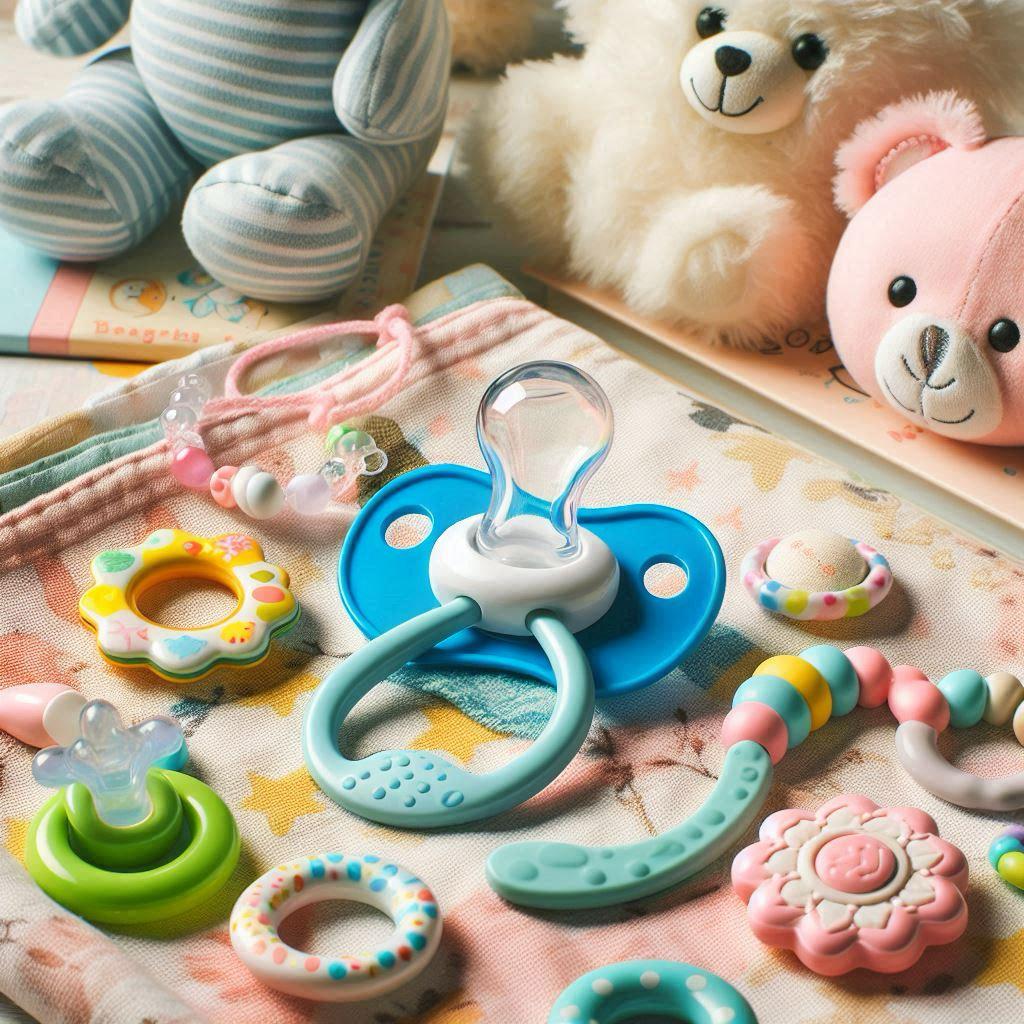
Stop Pacifier Use by 12 Months

Try to wean your baby off pacifiers by 12 months to support healthy teeth growth and speech development.

Use Cool Teething Rings

Soothe your baby's gums with cool (not frozen) teething rings. Frozen rings can be too hard and may cause harm.

Never Sweeten Pacifiers

Never dip pacifiers in honey, sugar, or other sweet substances. This can lead to severe tooth decay.

Prevent Bottle Decay

Avoid putting your baby to bed with a bottle of milk, formula, or juice. If you must use a bottle, fill it only with water.

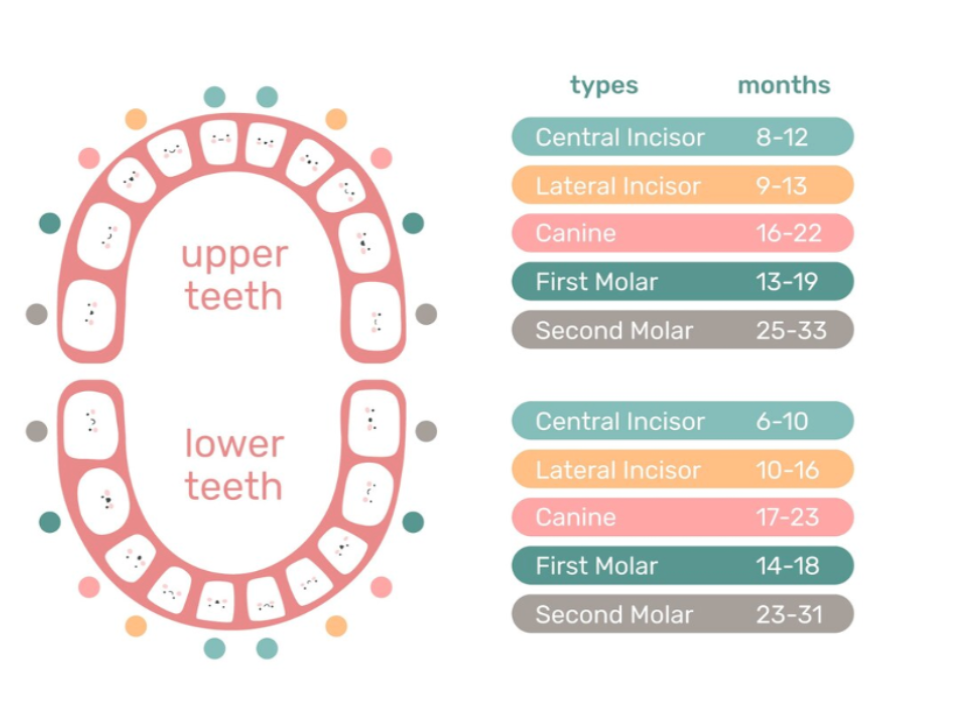
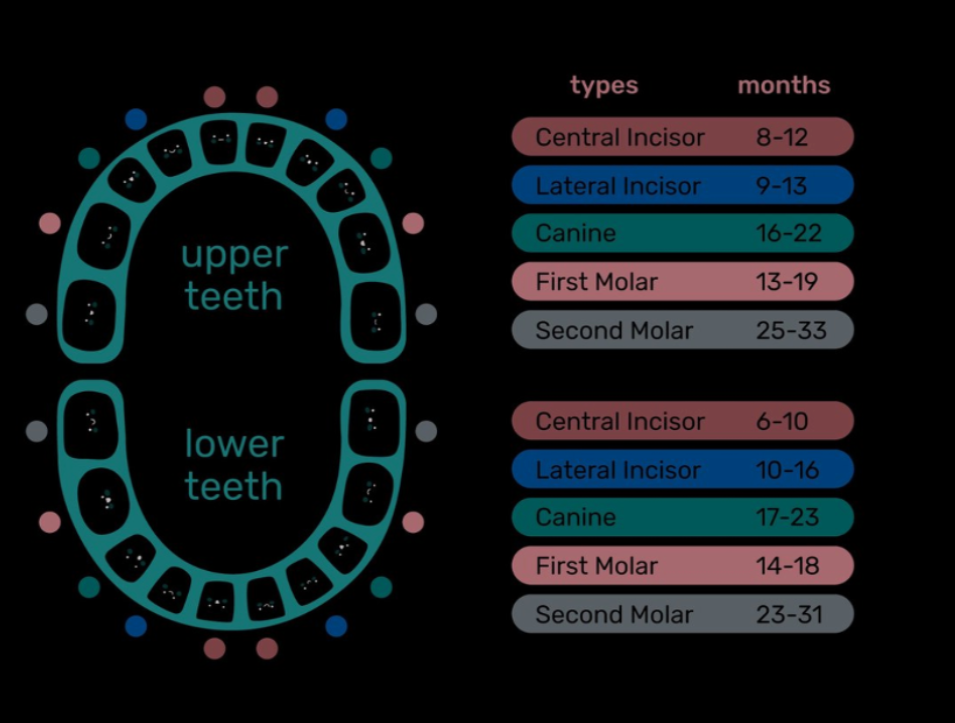
Baby Teeth Timeline

Common Teething Symptoms

Decreased appetite for solid food
Drooling
Ear-rubbing
Facial rash
Gum-rubbing
Increased biting
Irritability
Mild fever
Suckling
Wakefulness
Gingival irritation

What can you do?

  • Gently rub the gums with a clean finger.
  • Wipe away excess saliva from the face regularly to prevent rashes.
  • Offer cool, clean pacifiers or teething rings for the child to chew on. (Do not freeze them).
  • Administer sugar-free paracetamol if other methods do not provide relief.

Staying Safe

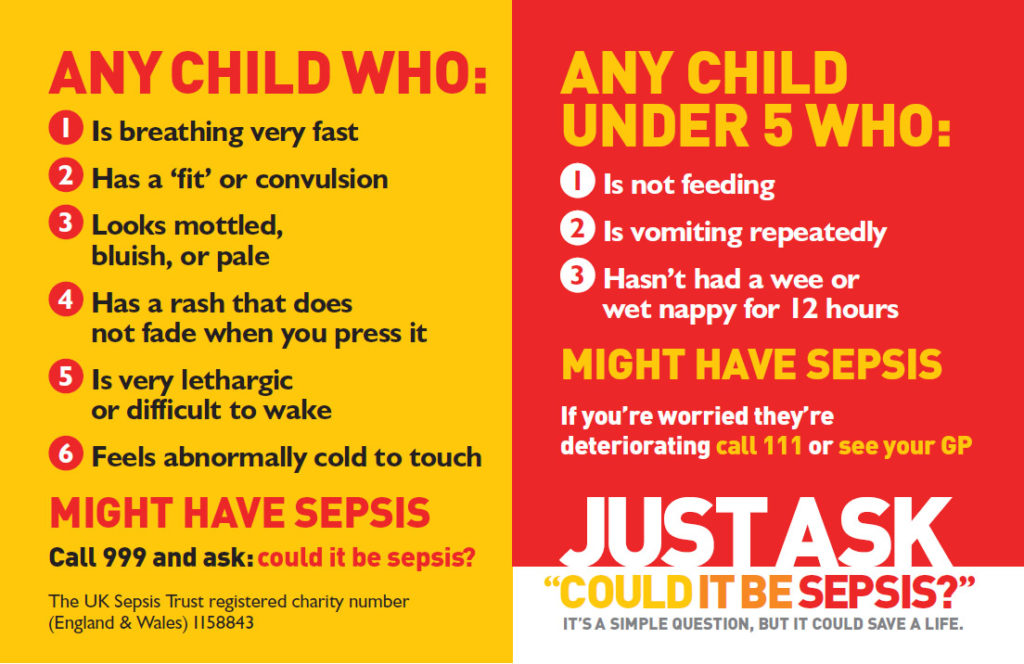
If your child becomes very unwell, has long-lasting symptoms, is unresponsive, or is in severe distress, seek urgent medical advice.

Which Brush & Toothpaste?

Fluoride Level

At least 1000ppm

1350-1500ppm (if high risk)

Toothpaste Amount

Pea size

Brush Type

Use a brush with a small head and soft bristles.

When to Change a Toothbrush

  • Every 3 months
  • When bristles are worn out
  • After an illness

Sensitivity to Toothpastes

Some children are sensitive to certain toothpastes. If you are looking for non-fluoride, non-foaming, SLS-free, or flavorless options, always consult your dentist first.

Daily Brushing Routine

Brush 2 times a day for 2 minutes

Once at night and at one other time during the day.

2×2 min
Spit out the toothpaste after brushing. Don't rinse with water.
Avoid eating or drinking anything (except water) for 15-20 minutes after brushing.

🦷✨ Supervise Brushing

Supervise your child’s brushing until they are at least 7 years old to ensure they are cleaning their teeth effectively.

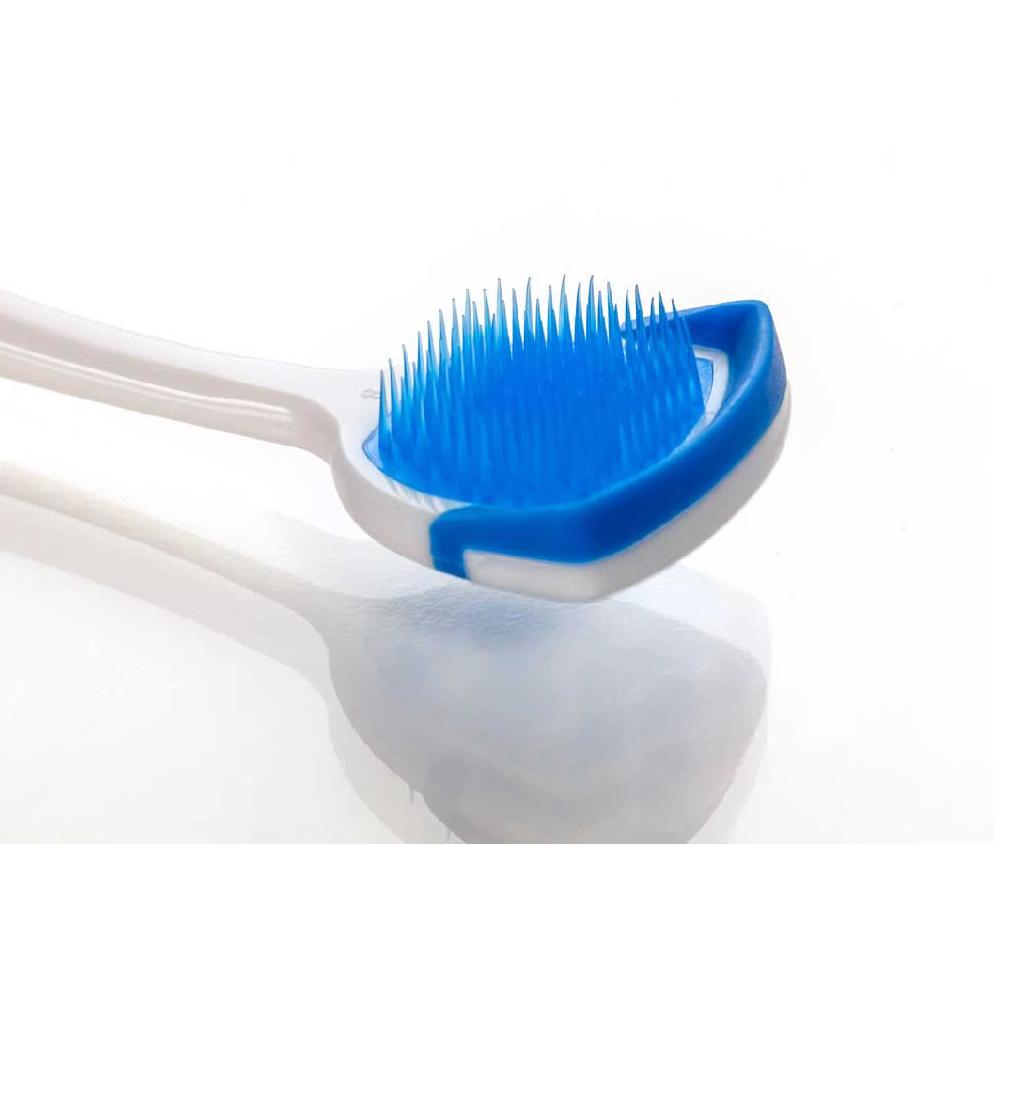
Tongue Cleaning is Important

Encourage your child to clean their tongue when they brush their teeth.

🦷✨ Interesting Fact

Did you know 2/3 of germs in your mouth live on the tongue?

Dental Check-ups

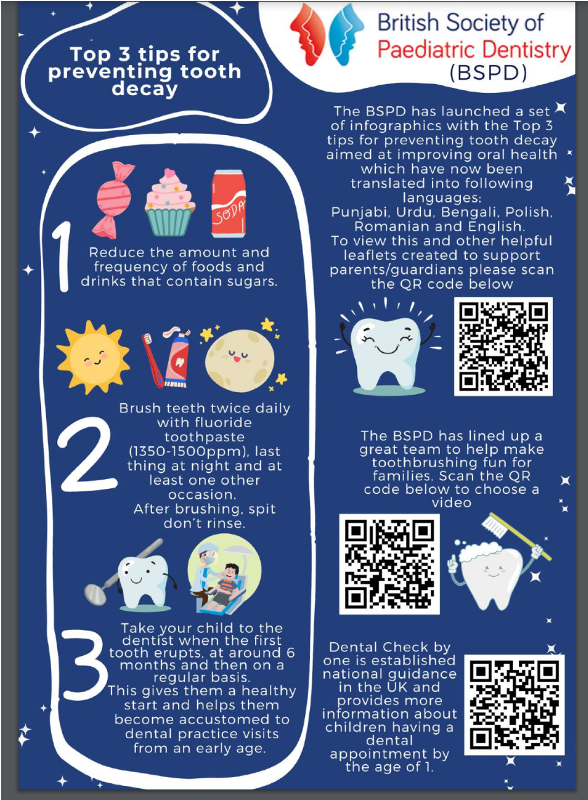
Schedule the first dental appointment by your child's first birthday.

Dental Care by 1 campaign logo
Source: BSPD

Why Schedule Early?

Schedule your child's first dental visit by their first birthday. Early check-ups help keep their teeth healthy from the very start. Click here to learn more.